Advanced Digital Mole Mapping in Calgary
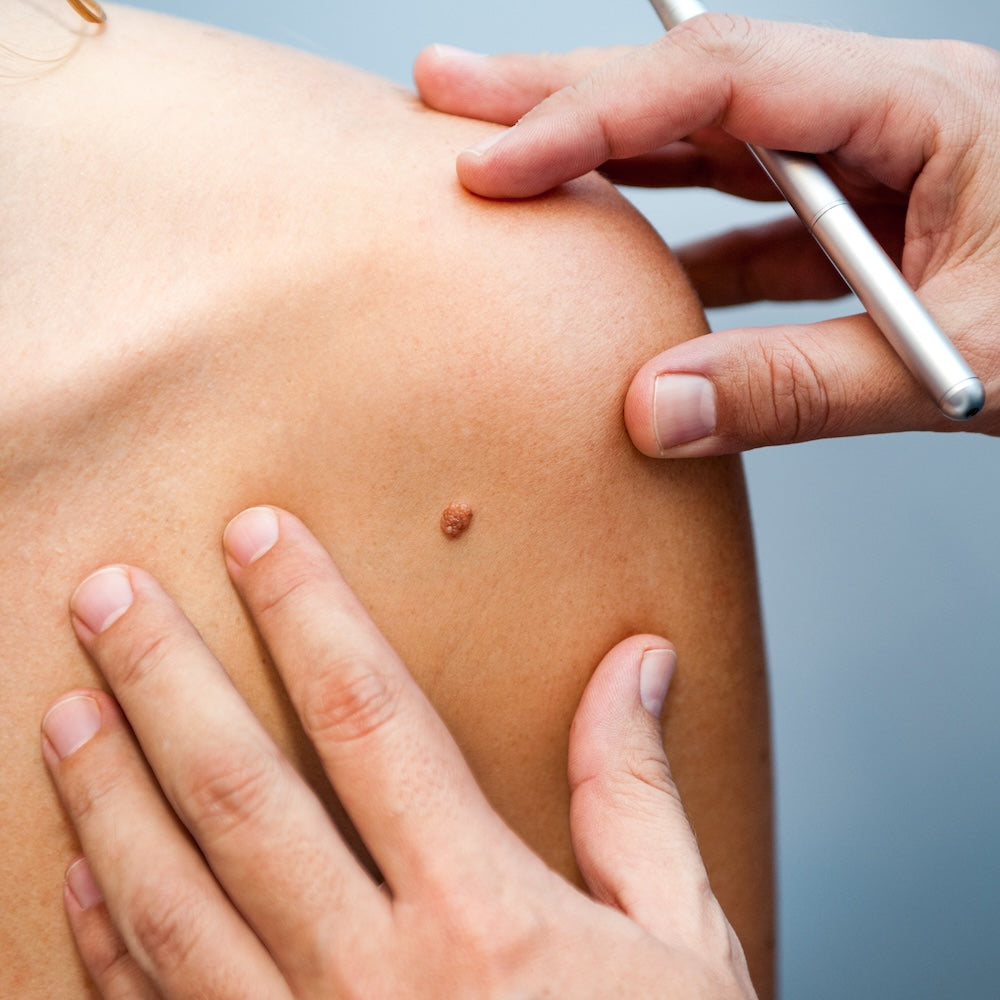
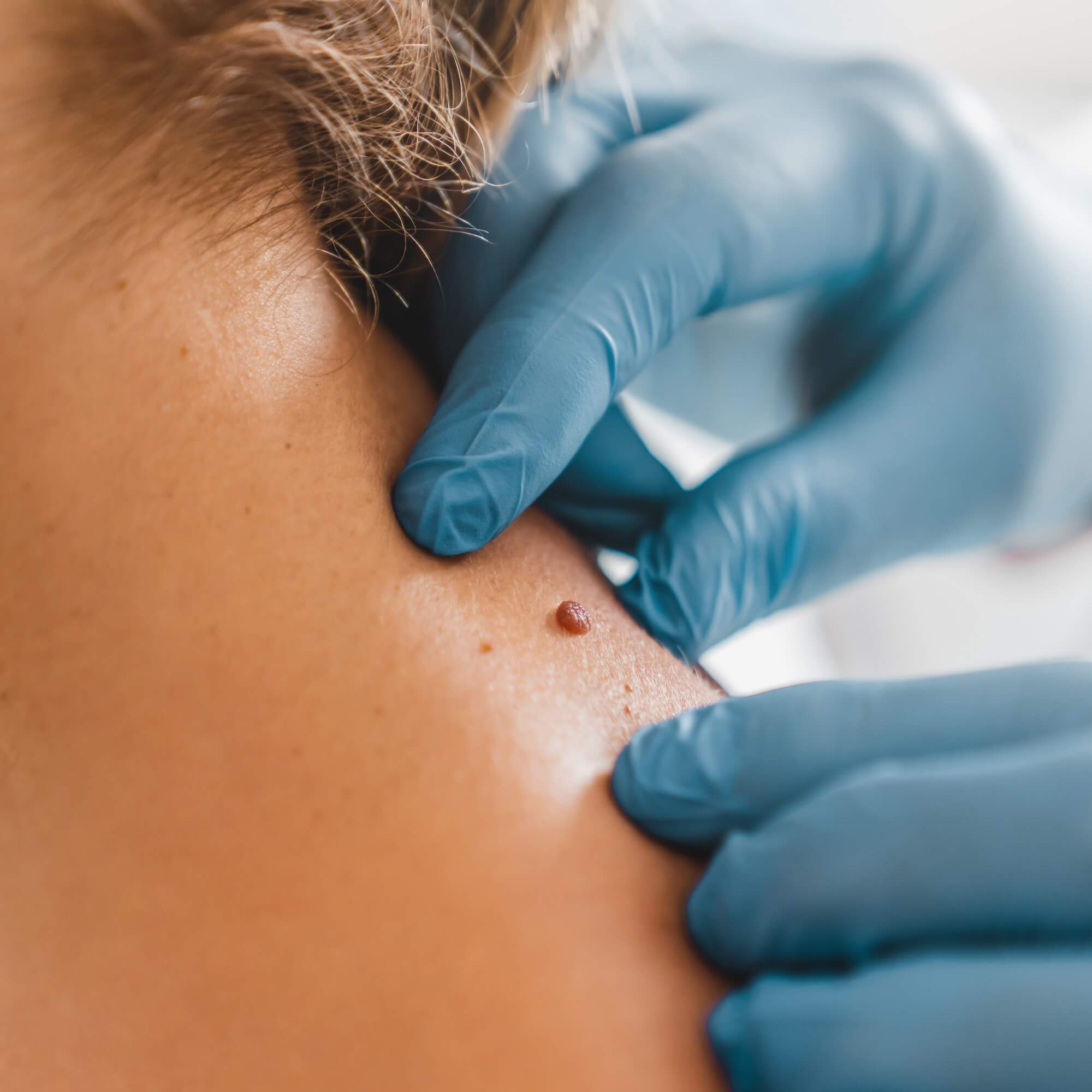
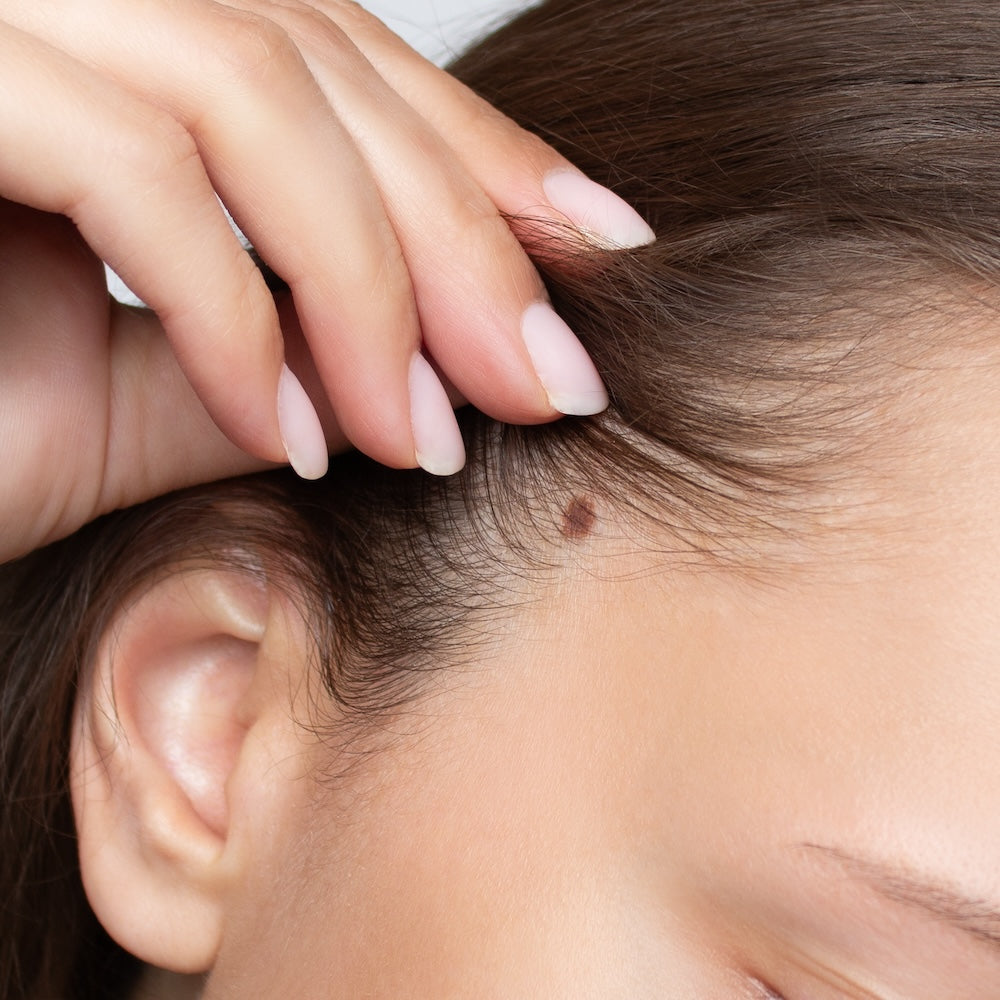
Digital mole mapping is an advanced skin imaging service that creates a detailed photographic record of your moles. Each visit is compared against the last, so changes are caught early — often before they'd be visible to the eye. Every scan is reviewed by a board-certified dermatologist.
Advanced Digital Mole Mapping and Full-Body Skin Screening
Digital mole mapping is an advanced skin-imaging service that creates detailed photographs of the skin and a baseline record of your moles. These images can be compared over time to help identify new or changing lesions that may require closer examination.Usually Dr Alanen will determinate based on the high risk patients howe often they need to have the Mole Mapping done.
Our mole-mapping technology uses artificial intelligence to support image analysis and help flag potentially suspicious lesions. AI does not diagnose skin cancer or replace a dermatologist. Every area of concern is personally evaluated by Dr. Ken Alanen using his medical expertise and also use dermoscopy.
Mole mapping may be especially valuable for patients who have:
- Numerous or unusual-looking moles
- A personal or family history of melanoma
- Previous skin cancer
- Significant sun exposure or sun damage
- Fair skin or a history of frequent sunburns
- A mole that is new, changing, bleeding, itching or not healing
- Patient who wants to avoid biopsy and potential risk of scarring.
What is mole mapping and how does it work?
Mole mapping involves taking detailed images of your moles and tracking them over time for any changes. This helps in early detection of potential skin cancers.
How accurate is mole mapping?
Mole mapping is highly accurate and effective for detecting skin cancer, particularly melanoma. However, it should complement, not replace, regular skin exams by a healthcare provider.
Is mole mapping safe and painless?
Yes, mole mapping is a safe, non-invasive, and painless procedure. It involves taking high-resolution images of your skin and moles.
Can mole mapping be used on all skin types?
Yes, mole mapping works on all skin types and tones, providing accurate monitoring for everyone.
Is mole mapping covered by insurance?
Coverage for mole mapping varies by insurance plan. Check with your provider to determine your coverage.
Can mole mapping be used on children?
Yes, mole mapping can be used for children. While skin cancer is rare in children, monitoring moles is important for those with many moles, significant sun exposure, or a family history of skin cancer. Early detection through regular check-ups with a dermatologist can help catch potential issues early.
How long does a mole mapping appointment take?
A mole mapping appointment typically takes about 45 minutes, including image capture and review.
How should you prepare for a mole mapping appointment?
No preparation is required for mole mapping.
Can mole mapping detect all types of skin cancer?
Mole mapping is highly effective at detecting melanoma but may not catch other types of skin cancer like basal cell carcinoma or squamous cell carcinoma as easily. Regular skin checks are essential.
Don't forget, skin care is a lifetime obligation. It involves making intelligent decisions such as applying sunscreen and getting routine mole examinations. So, keep a close watch on your skin - it might just save your life.
How frequently should I have my skin examined?
Check your skin once a month and schedule a yearly appointment with a dermatologist. If you're at higher risk due to factors like fair skin, many moles, freckles, or a family history of skin cancer, you may need more frequent check-ups. Typically, mole mapping is recommended twice a year at first, then annually if you are not at high risk.
Do I need a referral?
No referral is needed for mole mapping.
Tap to Listen & Learn More About Mole Mapping