Dermalux Flex MD in Calgary
Clinically proven light therapy for clearer, calmer, healthier skin. The Dermalux Flex MD is a medically certified LED phototherapy device used to treat acne, psoriasis, and wound healing — and to support visible improvement in skin tone, redness, pigmentation, and signs of aging. No needles. No downtime. No discomfort.


A non-invasive treatment with real clinical evidence behind it.
LED phototherapy uses specific wavelengths of light to stimulate the skin's own repair processes. Unlike treatments that work by creating controlled trauma, light therapy works with your skin — energizing cells, calming inflammation, and accelerating healing without redness, peeling, or recovery time.
The Dermalux Flex MD is one of the most clinically evidenced LED devices available, and it's CE-certified as a medical device for the treatment of acne, psoriasis, wound healing, and musculoskeletal pain. It also offers excellent results for a range of cosmetic concerns, including dullness, fine lines, uneven tone, and sensitive or reactive skin.
Each session takes about 30 minutes. There's no downtime, no discomfort, and most clients leave feeling relaxed with skin that already looks calmer and more luminous.


What Dermalux Flex MD Can Help With
A single device, three wavelengths, and protocols tailored to a wide range of skin concerns.
Medical indications
- Acne — mild, moderate, and severe, including inflammatory lesions and post-acne redness
- Psoriasis — flaky, itchy, inflammatory plaques on the face, body, and scalp
- Wound healing — post-procedure recovery, scarring, surgical sites, and skin trauma
- Musculoskeletal pain — relief through increased circulation to the trauma site
Cosmetic indications
- Fine lines, loss of elasticity, and other visible signs of aging
- Dull, dehydrated, or sallow complexion
- Hyperpigmentation, melasma, and uneven skin tone
- Persistent facial redness and visible capillaries
- Sensitive, reactive, or compromised skin
- Post-procedure recovery (after peels, microneedling, laser, injectables, and more)
Real People, Real Results
Inflammatory Acne, after 12 treatments


How It Works
LED phototherapy delivers low-level light energy at specific wavelengths that the skin absorbs and converts into cellular energy — a process called photobiomodulation. It's the same principle that drives plant photosynthesis, and it triggers a cascade of beneficial responses in the skin: faster cell renewal, increased collagen and elastin production, improved circulation, reduced inflammation, and accelerated healing.
The Flex MD delivers three clinically validated wavelengths, used individually or in combination depending on what your skin needs.
Blue Light (415 nm) — Anti-bacterial
Blue light targets P. acnes — the bacteria responsible for breakouts — and triggers a natural reaction that destroys it without irritating the surrounding skin. It also helps regulate oil production and is excellent post-procedure to minimize the risk of breakouts and infection.
Best for: acne, blemish-prone skin, post-procedure prevention.
Red Light (633 nm) — Rejuvenation & Cell Renewal
Red light is absorbed by the mitochondria in your skin cells, where it stimulates the production of ATP — the energy that powers cellular function. Energized cells regenerate faster, produce more collagen and elastin, and function better. The result is firmer, smoother, more hydrated skin with a visible boost in tone and radiance.
Best for: fine lines, dullness, loss of elasticity, hyperpigmentation, overall rejuvenation.
Near Infrared Light (830 nm) — Healing & Recovery
Near infrared penetrates the deepest layers of the skin, where it modulates inflammation, accelerates wound healing, calms redness, and supports vascular repair. It works synergistically with red light for advanced rejuvenation, and on its own it's the wavelength of choice for sensitive, reactive, and compromised skin.
Best for: redness, sensitive skin, wound healing, post-procedure recovery, deep rejuvenation.

What to Expect
Before
There's nothing complicated to prepare for. We'll cleanse your skin, apply a treatment serum if appropriate for your concerns, and fit you with protective goggles. If you wear contact lenses, you can leave them in.
During
You'll relax under the Flex MD canopy for approximately 30 minutes (20 minutes for body treatments). The light is bright but completely painless — most clients describe it as warm and meditative. Many fall asleep.
After
Your skin may look slightly flushed immediately after treatment — that's normal and indicates increased circulation. It typically settles within 30 to 60 minutes. There's no downtime, no peeling, and no restrictions on returning to your regular activities. We always recommend SPF afterward (and every day, frankly).
What you'll notice
After a single session, most clients see an immediate improvement in tone, hydration, and luminosity. The deeper benefits — collagen building, pigment correction, inflammation reduction — develop over the course of a treatment plan and continue improving for weeks after your final session as your skin remodels.
Recommended Treatment Plans
LED results are cumulative. The right plan depends on what you're treating and how visible you want the results to be.
Activate — A complete treatment course
A 12-session intensive program designed to fully address your concern. Sessions are typically scheduled 2 to 3 times per week. This is the recommended plan for medical indications (acne, psoriasis, wound healing) and for clients who want to see substantial visible change.
After your initial course, regular maintenance sessions help extend your results.
Boost — A short revitalizing course
Three sessions to refresh, calm, and re-energize the skin. Ideal before a special event, after travel, or as a quick reset when your complexion needs a lift.
Combine — Paired with another treatment
A single session immediately following another in-clinic treatment to enhance results, accelerate healing, and reduce post-procedure redness, swelling, and downtime.

Combining LED with Other Treatments
The Flex MD pairs beautifully with most of the other treatments offered at Derm.ca, including:
- Skin peels and resurfacing procedures
- Microdermabrasion and HydraFacials
- Microneedling
- Mesotherapy and PRP
- Radiofrequency
- IPL and laser treatments
- Injectables (anti-wrinkle treatments and dermal fillers)
- Post-surgical recovery
Used as a pre-treatment, LED helps prepare and strengthen the skin, ensuring cells have the energy they need to respond well. Used post-procedure, it calms redness and irritation, reduces the risk of infection, accelerates bruise resolution, and shortens overall downtime.
Your provider will recommend the right combination during your consultation.

Is Dermalux Flex MD Right for You?
LED phototherapy is one of the safest in-clinic treatments available. It's suitable for all skin types and tones, including Fitzpatrick IV–VI (darker skin types may benefit from additional sessions to achieve optimal results, given naturally higher melanin levels).
It's also pain-free, requires no recovery time, and is well tolerated by clients of all ages.
When LED may not be appropriate
Certain medical conditions and medications can increase sensitivity to light. We'll review your full health history during your consultation. LED treatment is generally not recommended if you:
- Have epilepsy or seizures triggered by light (without medical clearance)
- Have a diagnosis of porphyria, lupus erythematosus, polymorphic light eruption, photosensitive eczema, or hypomelanism (albinism)
- Are currently being treated for active cancer
- Are taking certain photosensitizing medications, including some antibiotics (tetracycline, doxycycline, etc.), retinoids (oral or topical), methotrexate, certain anti-arrhythmic and anti-psychotic medications, auranofin, or azathioprine
Treated with caution
Pregnancy, breastfeeding, recent eye surgery or eye conditions, light-induced migraines, recent introduction of vitamin A or other active skincare, and clients under 16 years of age may all be safely treated with the right precautions or medical consent. We'll go through everything in your consultation.
Dermalux Flex MD FAQ
How many sessions will I need?
Most concerns respond best to a course of 12 sessions, scheduled 2 to 3 times per week. For event prep or general maintenance, a short 3-session boost may be enough. Your provider will recommend a plan based on your specific concern, skin type, and goals.
Can I combine LED with my at-home routine?
Absolutely. LED works well alongside a thoughtful skincare routine and your provider can recommend products and ingredients that complement your treatment plan.
When will I see results?
You'll likely notice an immediate improvement in tone, hydration, and luminosity after your first session. More substantial changes — clearer skin, reduced redness, smoother texture, faded pigmentation — develop progressively over your treatment course and continue improving for weeks afterward as your skin remodels.
Is there any downtime?
None. Your skin may appear slightly flushed for an hour or so after treatment due to increased circulation, but you can return to work, exercise, or makeup immediately.
Does it hurt?
Not at all. The light is bright but completely painless. Most clients find the treatment deeply relaxing.
Can I do LED on the same day as another treatment?
Yes — in most cases, that's actually ideal. LED applied immediately after a peel, microneedling session, laser treatment, or injectables helps calm the skin, accelerate healing, and improve overall results. The exception is non-neutralized skin peels, which require a 24-hour gap.
Do I need to wear eye protection?
Yes. We provide protective goggles and ask that you wear them throughout the treatment. You can keep your contact lenses in.
Can I use my regular skincare products?
Most water-based serums and gels are fine to apply before treatment. Some active ingredients — including glycolic acid, salicylic acid, retinol, benzoyl peroxide, and hydroquinone — should be avoided immediately before LED. Your provider will guide you on what to use and what to skip.
Is this safe for all skin tones?
Yes. LED phototherapy is safe for all Fitzpatrick skin types, including IV–VI. It does not cause hyperpigmentation, and red and near-infrared wavelengths can actually help reduce existing pigmentation.
Ready to see what light therapy can do for your skin?
Book a consultation with the team at Derm.ca to find out whether Dermalux Flex MD is the right fit for your skin, and what kind of treatment plan would help you reach your goals.

*Fields marked with an asterisk are required.

0% FINANCING OPTION
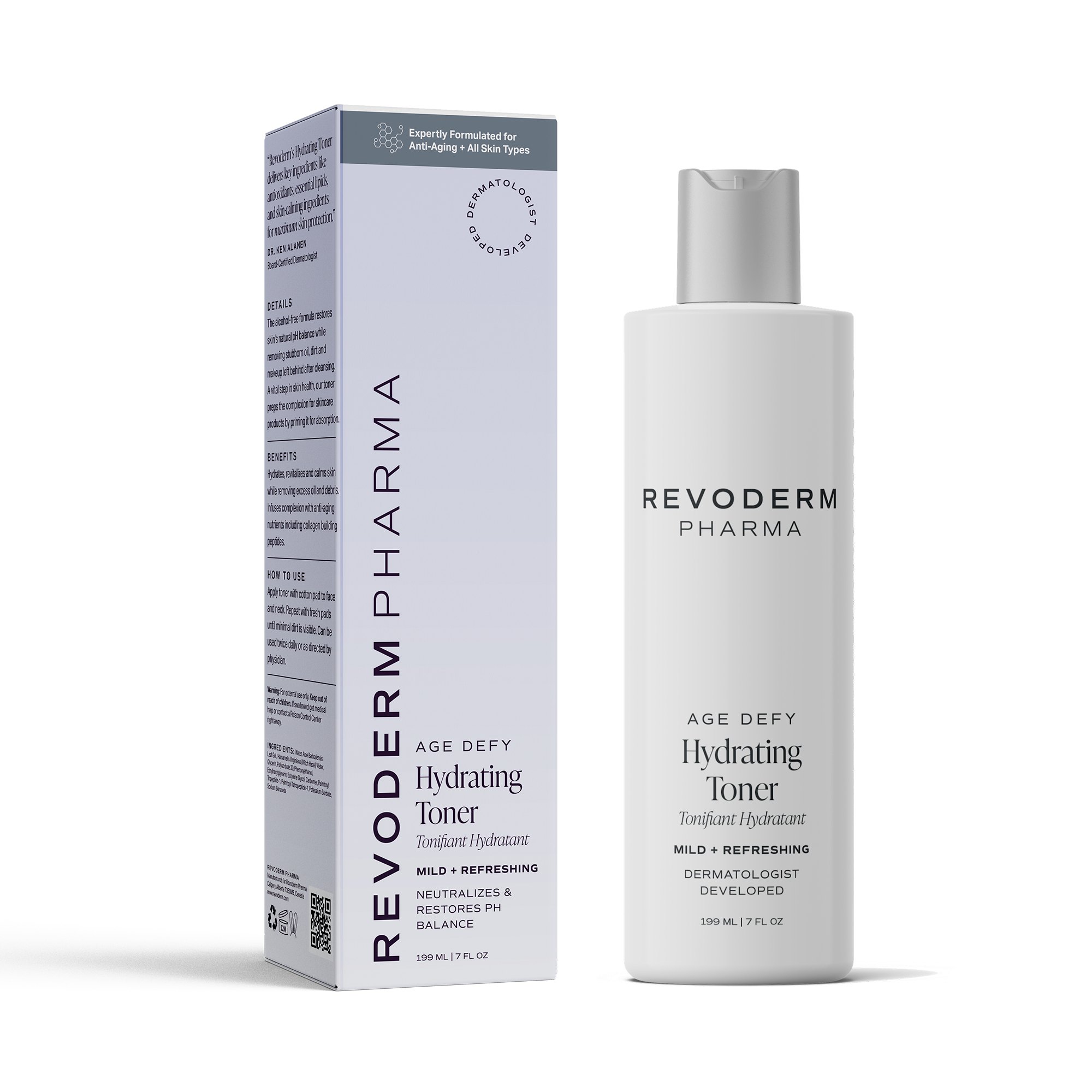
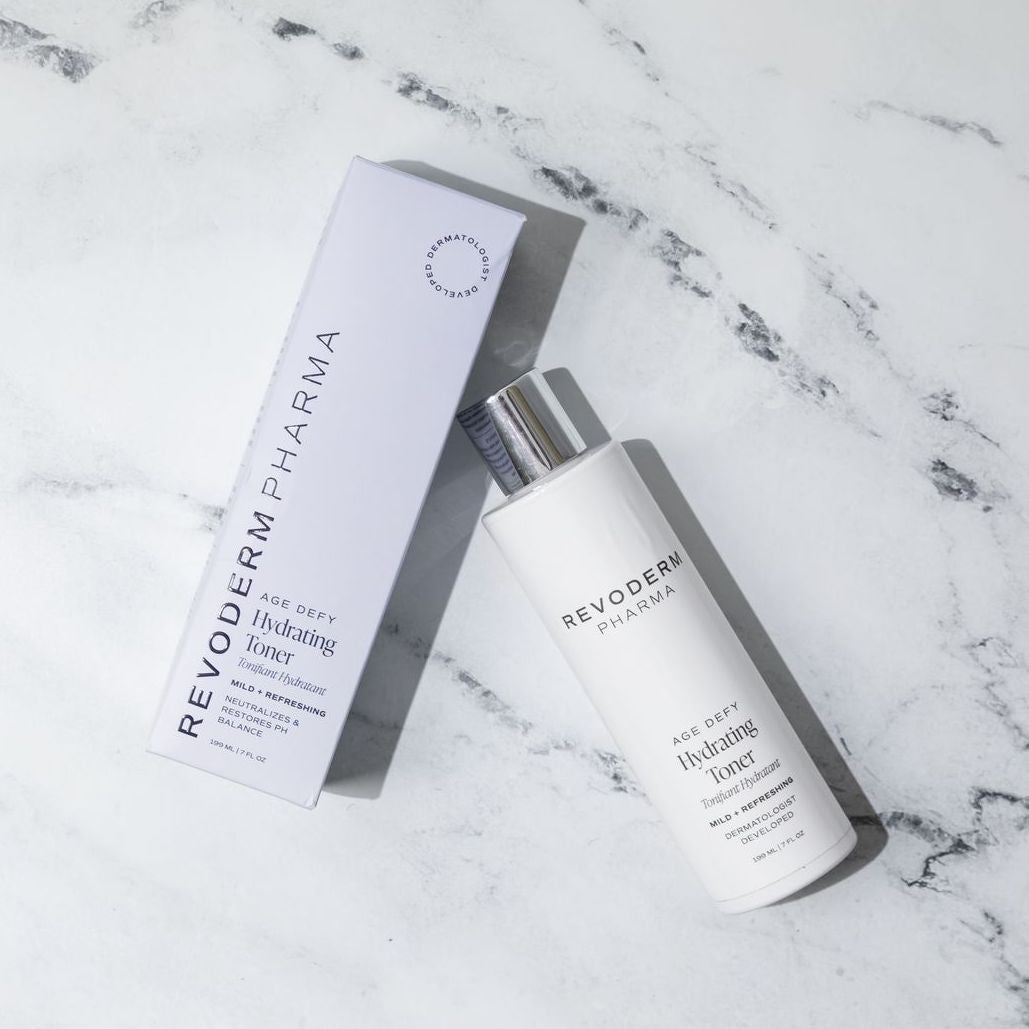
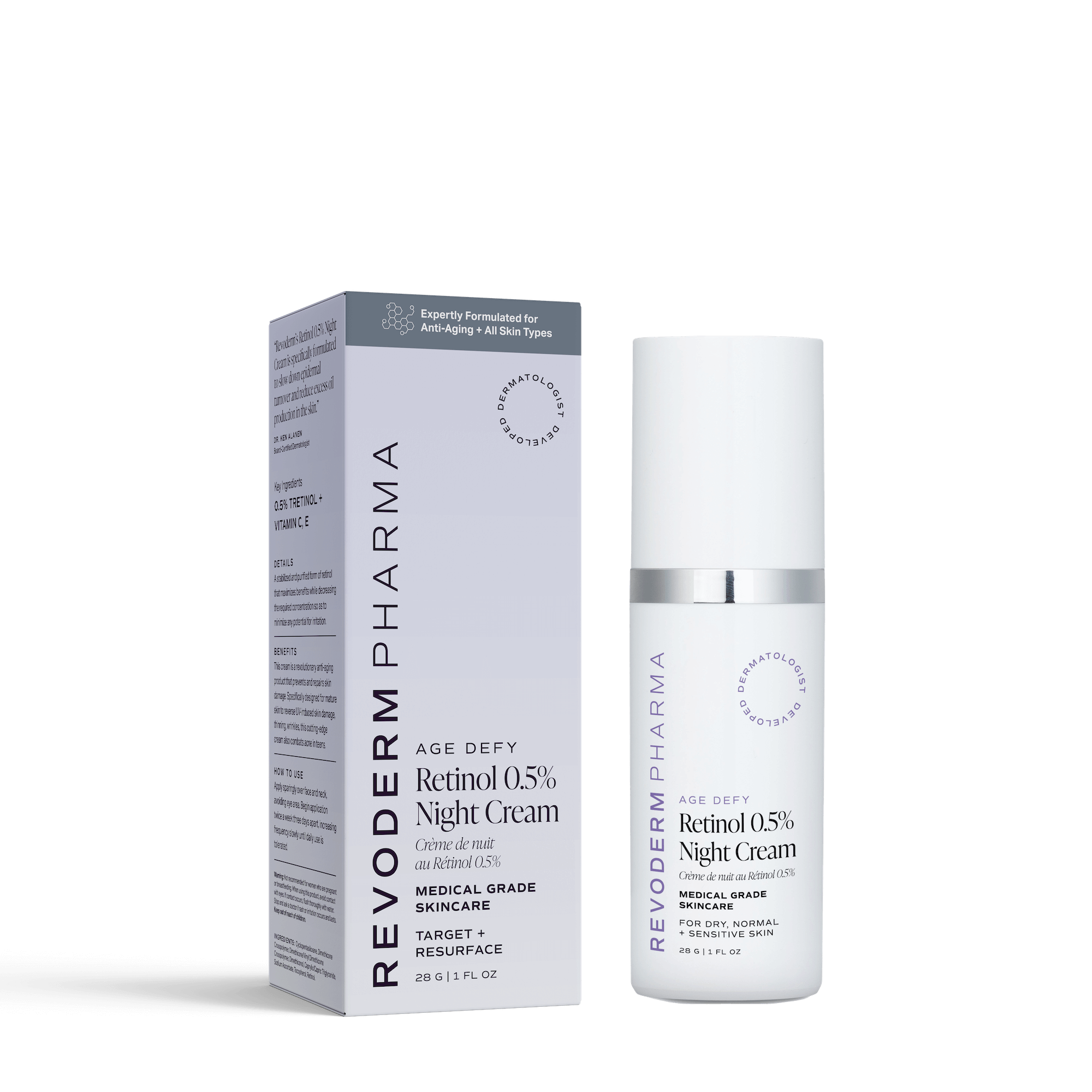
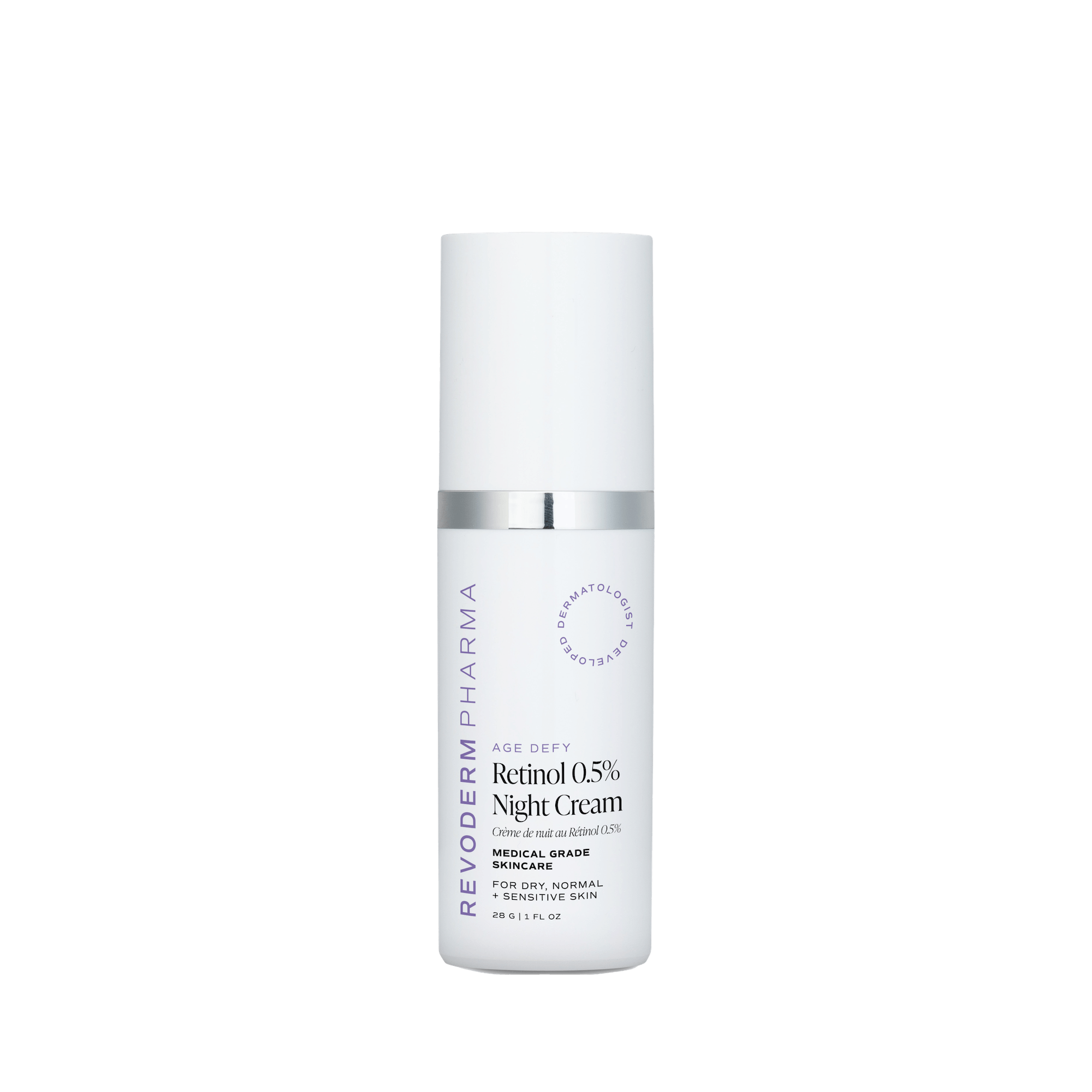
Medical Grade Anti-Aging Skincare